When Toilets Flush Slowly but Nothing Seems Blocked
A slow-flushing toilet is annoying. Not dramatic. Just annoying enough that most people ignore it. The bowl fills. The water swirls. It eventually goes down. So we tell ourselves it’s fine. In our experience, that’s exactly how bigger septic problems start.
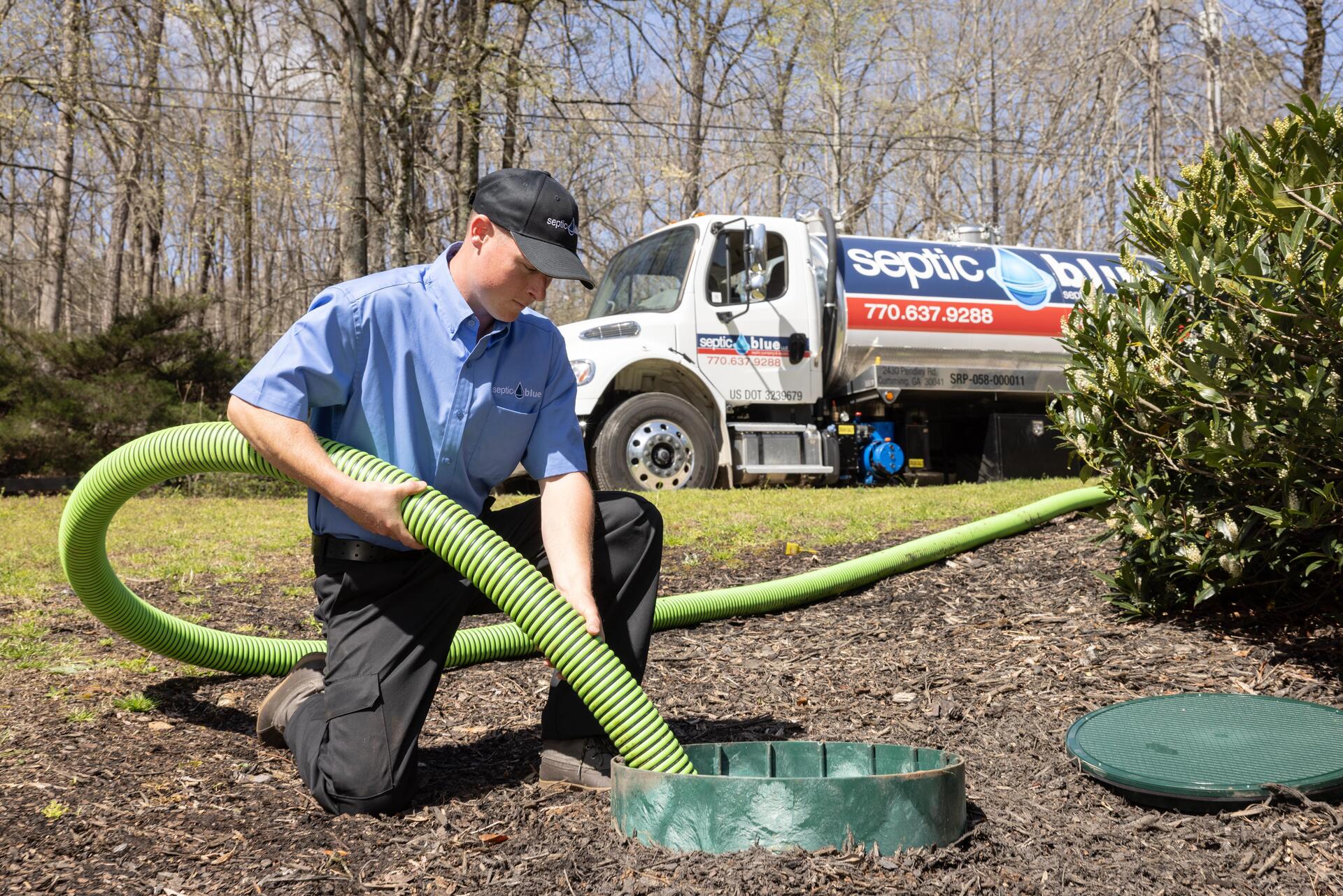
We’ve seen this issue again and again in homes where basic maintenance like septic pumping in high point gets pushed off. Not because people don’t care—but because nothing feels urgent yet. Slow flushing is one of those quiet warnings that doesn’t scream for attention. But it should.
According to the EPA, nearly one out of five homes in the U.S. uses a septic system, and early failures often show up as slow drains or toilets long before a backup happens. That lines up with what we see in the real world.
What a Slow-Flush Toilet Is Really Telling You
Let’s be clear.
A slow flush is rarely about the toilet itself.
If nothing is blocked, the problem is almost always behind the toilet. The pipes. The tank. The drainfield. Something in that chain is slowing things down.
Most people expect septic trouble to look obvious. Overflow. Smell. Mess. But septic systems don’t fail like that at first. They drag their feet. Literally.
Slow flushing is the system saying, “I’m still working, but I’m not happy.”
Why “Nothing Is Blocked” Doesn’t Mean Nothing Is Wrong
This is where homeowners get stuck.
They look in the bowl.
They plunge.
They snake.
Water goes down.
So they move on.
But septic problems are rarely full clogs in the beginning. They’re pressure problems. Flow problems. Capacity problems.
We’ve opened tanks where everything looked “fine” from the house. Meanwhile, the tank was packed, the outlet was struggling, and the drainfield was barely absorbing anything.
That’s why the toilet flushes slow but never fully stops.
The Most Common Reason: A Tank That’s Too Full
This one is boring. And that’s why people ignore it.
What usually works
Routine pumping. On time. No drama.
What often fails
Waiting until something smells bad.
As solids build up, the tank loses space. Wastewater slows down. Toilets lose flushing power. The system still works—but barely.
This is where most slow-flush problems live.
Our honest take?
If someone can’t remember the last pump, that’s usually the answer.
Partial Pipe Buildup: The Sneaky Middle Problem
Not all clogs stop water.
Some just make it tired.
Grease. Soap. Paper. Wipes. All of it coats pipes slowly. Water squeezes past. Waste catches. Resistance builds.
What usually works
Reducing what goes down the drain. Pumping before buildup reaches the outlet.
What often fails
Repeated plunging and chemical cleaners.
Those don’t remove buildup. They just push it around.
Drainfield Stress (This One Gets Missed a Lot)
Here’s something most people don’t think about.
If the drainfield can’t absorb water, everything upstream slows down.
That includes toilets.
Common causes
-
Heavy rain
-
Compacted soil
-
Long-term neglect
The tank empties slower. Pipes hold water longer. Toilets flush weaker.
What usually works
Letting the system rest. Managing water use. Fixing issues early.
What fails
Ignoring soggy yards or assuming weather will “fix itself.”
It usually doesn’t.
Venting Problems: Boring, But Real
Toilets need air. Period.
If vents are blocked, cracked, or poorly installed, flushing gets sluggish.
You’ll hear gurgling.
Drains hesitate.
Flushes feel weak.
Why this gets ignored
Because nothing looks broken.
But airflow matters more than most people think.
Daily Habits That Quietly Make Things Worse
This is where we’re going to be honest.
Most slow-flush problems aren’t caused by one big mistake. They’re caused by small habits done every day.
The usual troublemakers
-
“Flushable” wipes (they’re not)
-
Paper towels
-
Grease
-
Too much toilet paper
-
Constant high water use
What works
Being realistic about what a septic system can handle.
What fails
Trusting labels and assuming the system can “deal with it.”
It can’t. Not forever.
When the System Is Just Doing Too Much
Sometimes the system isn’t broken. It’s overwhelmed.
More people.
More laundry.
More showers.
More stress.
Old systems especially struggle here.
Toilets often show it first.
Chemical Drain Cleaners: Our Clear Opinion
They’re a bad idea.
They feel helpful. They’re fast. They smell strong. People like that.
But they:
-
Kill helpful bacteria
-
Damage pipes
-
Push debris deeper
They don’t fix septic problems. They delay them.
This is one of those cases where “doing something” is worse than doing nothing.
How We Actually Approach Slow-Flush Problems
At Septic Blue of Burlington, we don’t start with the toilet. We start with the system.
We look at:
-
Tank levels
-
Flow direction
-
Drainfield condition
-
Water use patterns
That’s how problems stop repeating.
Quick fixes don’t last. System checks do.
What to Do If Your Toilet Flushes Slowly
Keep it simple.
-
Stop chemical cleaners
-
Cut back on water use
-
Pay attention to other drains
-
Listen for gurgling
-
Check the yard
-
Get the system looked at
Waiting rarely helps.
Why This Is Common Around High Point
Local soil, rainfall, and groundwater matter. In this area, saturated ground makes absorption harder. That puts pressure back on the system.
Maintenance matters more here than people think.
FAQs (Real Ones We Hear)
Can a toilet flush slowly with no clog?
Yes. That’s common.
Is this urgent?
Not yet. But it’s a warning.
Will plunging help?
Sometimes. Not long-term.
Can weather affect flushing?
Absolutely.
Does pumping really help?
More than most people expect.
Key Takeaways
-
Slow flushing is an early warning
-
“Nothing blocked” doesn’t mean nothing’s wrong
-
Septic issues start quietly
-
Habits matter
-
Waiting costs more
Conclusion: Pay Attention Before It Gets Loud
Slow-flushing toilets are easy to ignore. They don’t make a mess. They don’t smell—at first. But they’re one of the clearest early signs that something in the septic system is under stress. Knowing when to schedule septic service matters more than fixing the toilet itself. In our opinion, waiting for a backup is the worst strategy possible.
Take care of the system early, and it stays quiet. Ignore it, and it eventually gets very loud.


Comments
Post a Comment