How Often Should You Schedule Septic Pumping?
Homeowners Often Wait Too Long — and It Leads to Costly Problems
When people ask us how often they should pump their septic tank, we always explain that waiting until there’s a backup is the worst possible approach. By the time drains are gurgling or sewage odors are creeping into the yard, the system has already been stressed for months.
Your septic system works quietly every day, separating solids, treating wastewater, and protecting your home. But when solids build up, the tank loses the space it needs to function. That’s why routine service—including septic pumping in Greensboro—is essential for long-term performance and a trouble-free home.
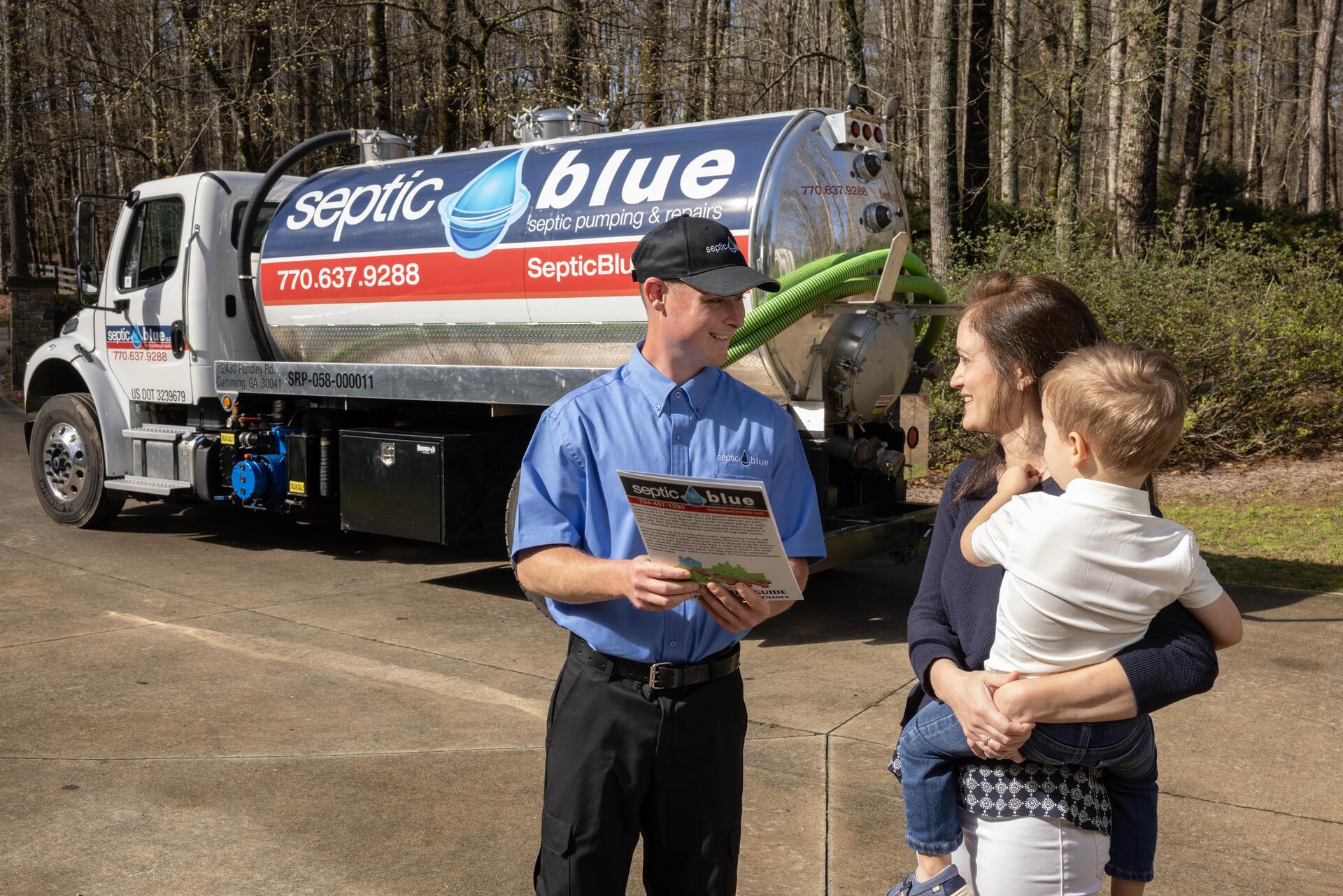
Over the years, we’ve seen homeowners spend thousands on repairs that could have been avoided with a simple pumping schedule. This blog breaks down how often you should pump, what affects your timeline, warning signs to watch for, and why a proactive plan saves you time, stress, and money.
Why Regular Pumping Matters
A septic tank is designed to hold solids, but not forever. Over time, sludge settles at the bottom while scum—oils, grease, and lighter waste—floats to the top. The middle layer is the only layer that should leave the tank and flow to the drainfield.
When sludge or scum levels get too high, that dirty material moves into the drainfield pipes. Once that happens, clogs form quickly. Those clogs can lead to slow drains, sewage backups, and even complete drainfield failure.
Regular pumping clears the tank and restores its capacity. It also protects the drainfield, which is the most expensive part of your system to repair. We always remind homeowners that pumping is not a luxury—it’s an essential part of septic system health.
The Standard Recommendation: Every 3 to 5 Years
Most homes need pumping every three to five years. But in reality, every home is different. Some households need pumping sooner, and others can go a little longer. The schedule depends on several factors:
-
Household size: More people means more wastewater.
-
Water usage habits: Frequent laundry, long showers, and high water appliances add strain.
-
Tank size: Small tanks fill quickly.
-
Garbage disposal use: Food waste increases sludge levels.
-
System age: Older systems often require more frequent service.
We always explain that pumping intervals aren’t one-size-fits-all. A couple living in a small home may go five years without an issue, while a family of six may need pumping every two years. The key is creating a schedule that matches your actual usage—not a generic estimate.
Signs That It’s Time to Pump
Even if you don’t remember your last pumping date, your septic system will often send early warnings. Here are signs we look for during inspections:
1. Slow Drains in Multiple Areas
If sinks, showers, and tubs all drain slowly, the tank is often nearing capacity.
2. Gurgling or Bubbling Noises
Air gets trapped in the plumbing when the tank is too full.
3. Odors Inside or Around the Yard
Bad smells mean waste is no longer staying contained.
4. Soggy or Wet Spots Near the Drainfield
Surfaces that feel spongy often indicate wastewater is surfacing.
5. Backups in Toilets
If sewage backs up—even once—that’s a sign the tank urgently needs attention.
When we see any of these signs, we recommend pumping immediately. Catching issues early prevents drainfield damage and avoids emergency repair costs.
Why Some Homes Need More Frequent Pumping
Every home’s septic usage is unique. We often recommend more frequent pumping for homes with:
1. Large Families
More people means more solid waste—and faster sludge buildup.
2. High Water Consumption
Running multiple loads of laundry, long showers, and heavy appliance use all increase strain.
3. Older Systems
Aging systems often have reduced capacity, making maintenance more important.
4. Frequent Garbage Disposal Use
Disposals push food particles into the tank, increasing sludge at a faster rate.
Homes with these conditions benefit from a two-to-three-year pumping routine to keep everything functioning properly.
What Happens If You Delay Pumping?
Waiting too long leads to problems that are far more expensive than routine service. Here’s what can happen:
1. Drainfield Clogs
When solids reach the drainfield, pipes become blocked. Drainfield repairs often cost several thousand dollars.
2. Sewage Backups
Backups bring contaminated water into the home, creating health hazards and requiring professional cleanup.
3. Tank Damage
Excess pressure can crack the tank or damage baffles.
4. Environmental Contamination
Overflow can pollute groundwater, streams, and wells—an issue that affects more than just your property.
Delaying pumping doesn’t save money—it simply postpones a much bigger cost.
How We Help Homeowners Set the Right Pumping Schedule
When we work with homeowners through Septic Blue of Burlington, our goal is to create a clear and predictable maintenance plan. We start by evaluating:
-
Tank size
-
Household water usage
-
Number of people in the home
-
Past pumping records
-
Drainfield age and condition
From there, we recommend a schedule that fits your home—not a generic one-size-fits-all plan. When homeowners understand how routine pumping helps prevent the most common septic problems homeowners face, they stay more consistent with maintenance and avoid unnecessary repairs.
How to Reduce the Need for Frequent Pumping
While pumping is essential, certain habits can slow sludge buildup:
-
Spread laundry loads throughout the week instead of doing them all at once.
-
Avoid flushing wipes—even if the label says “flushable.”
-
Limit garbage disposal use.
-
Keep fats, oils, and grease out of kitchen drains.
-
Fix leaky faucets to reduce unnecessary water flow.
These simple steps help reduce strain on the system and extend the time between pumpings.
Final Thoughts
A reliable pumping schedule is one of the easiest ways to protect your septic system and avoid unexpected breakdowns. Whether your home is small or busy with a large family, your schedule should always match your usage patterns—not a standard guideline.
If your tank is overdue or showing signs of stress, scheduling septic pumping in Greensboro is one of the smartest steps you can take to protect your home and your drainfield. At Septic Blue of Burlington, we believe that consistent maintenance is the most affordable investment homeowners can make in their septic system’s long-term health.
Frequently Asked Questions
1. Is pumping really needed every 3–5 years?
Most homes fall within this range, but heavy water usage or large households need pumping sooner.
2. How long does a pumping appointment take?
Generally 30–60 minutes, depending on tank size and buildup levels.
3. Does pumping extend the life of my system?
Yes. Pumping prevents solids from damaging the drainfield, which is the most expensive part to repair.
4. Can I wait for symptoms before scheduling?
Symptoms often appear after damage has already begun. Pumping is preventive care, not emergency care.
5. Do septic additives replace pumping?
No. Additives don’t remove solids. Only pumping clears the tank.
6. How do I know my tank is full if I see no symptoms?
A professional inspection is the only accurate way to determine current levels.
Comments
Post a Comment